Home Collection
Blood Health Assessment
Expert hematology services for blood disorders and coagulation management
Understanding Blood Health
Hematology is the medical field focused on blood, bone marrow, and blood-forming tissues. Blood disorders can affect oxygen transport, immune function, and blood clotting, making timely diagnosis essential for treatment and prevention.
At आविष्कार डायग्नोस्टिक्स, we provide comprehensive hematology services with advanced blood testing, coagulation studies, and expert consultation to diagnose and manage blood disorders effectively.
Our services include complete blood count (CBC), coagulation profile, blood typing, hemoglobin analysis, bone marrow examination, and specialized testing for blood disorders and malignancies.
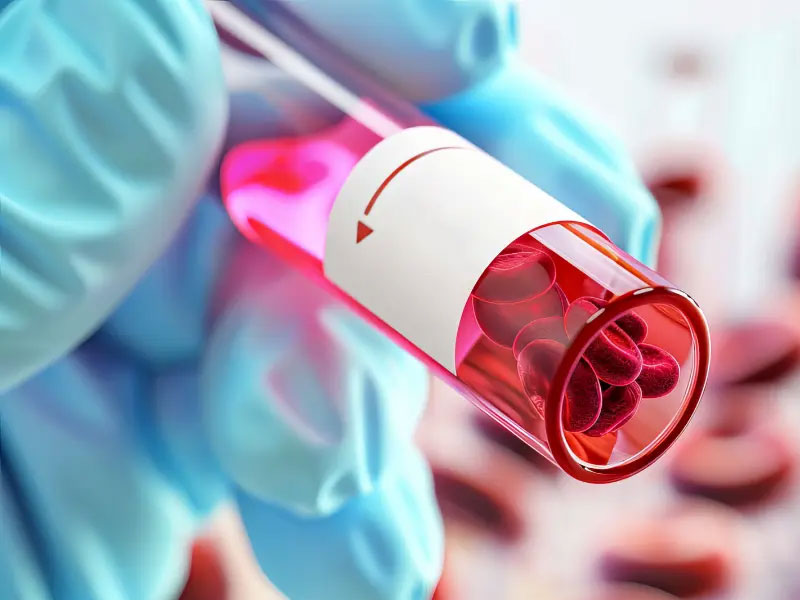
Advanced Blood Testing
State-of-the-art laboratory analysis for accurate diagnosis of blood disorders and hematologic malignancies.
Our Hematology Services
Complete Blood Count (CBC)
Comprehensive analysis of red blood cells, white blood cells, and platelets
Coagulation Studies
Blood clotting assessment and anticoagulation monitoring tests
Blood Typing & Cross-Match
Blood group identification and compatibility testing for transfusions
Blood Disorders We Screen For
Comprehensive diagnostic services for various hematologic conditions
Anemia
Diagnosis and classification of various types of anemia
- Hemoglobin Level
- Hematocrit Percentage
- Red Blood Cell Count
- Iron Studies
- Vitamin B12 & Folate
Leukemia
Early detection and monitoring of blood cancer
- White Blood Cell Count
- Peripheral Blood Smear
- Bone Marrow Biopsy
- Flow Cytometry
- Cytochemical Staining
Thrombocytopenia
Assessment of low platelet count and bleeding disorders
- Platelet Count
- Peripheral Blood Smear
- Coagulation Profile
- Bone Marrow Examination
- Platelet Function Tests
Hemophilia
Diagnosis and monitoring of clotting factor deficiencies
- PT/INR Testing
- aPTT (Activated PTT)
- Bleeding Time
- Factor Assays
- Thrombin Time
Lymphoma
Detection and classification of lymph node malignancies
- Lymphocyte Count
- Flow Cytometry
- Bone Marrow Biopsy
- Immunophenotyping
- Genetic Testing
Polycythemia & Erythrocytosis
Assessment of elevated red blood cell count
- Hemoglobin & Hematocrit
- Red Blood Cell Count
- JAK2 Mutation Testing
- Bone Marrow Biopsy
- EPO Level Testing
Comprehensive Blood Testing Panel
Advanced laboratory tests for complete blood health evaluation
Hemoglobin & Hematocrit
Measures oxygen-carrying capacity and red blood cell volume percentage
Complete Blood CountRed Blood Cell (RBC) Count
Total number of red blood cells per microliter of blood
Complete Blood CountWhite Blood Cell (WBC) Count
Assesses immune function and detects infections or malignancies
Complete Blood CountPlatelet Count
Evaluates blood clotting ability and bleeding risk
Complete Blood CountPeripheral Blood Smear
Microscopic examination of blood cells for morphology analysis
Microscopy TestPT/INR (Prothrombin Time)
Measures extrinsic clotting pathway and warfarin effectiveness
Coagulation TestaPTT (Activated PTT)
Evaluates intrinsic clotting pathway and heparin therapy
Coagulation TestBleeding Time
Assesses platelet function and bleeding disorders
Coagulation TestBlood Type & Cross-Match
Identifies ABO/Rh blood group and compatibility for transfusion
ImmunohematologyIron Studies
Measures serum iron, ferritin, and TIBC for anemia diagnosis
Metabolic PanelVitamin B12 & Folate
Detects deficiencies causing megaloblastic anemia
Nutritional PanelBone Marrow Biopsy
Tissue sampling for leukemia, lymphoma, and aplastic anemia diagnosis
Biopsy TestSigns & Symptoms of Blood Disorders
When to seek hematology consultation
Persistent Fatigue & Weakness
Extreme tiredness may indicate anemia or low hemoglobin levels
Pale or Jaundiced Skin
Unusual skin color suggests anemia or hemolytic disorders
Shortness of Breath
Difficulty breathing may indicate reduced oxygen-carrying capacity
Easy Bruising & Bleeding
Spontaneous bleeding or excessive bruising indicates clotting disorders
Recurrent Infections & Fever
Frequent infections suggest abnormal white blood cell function
Joint & Bone Pain
Pain may indicate blood cancer, leukemia, or bone marrow disorders
Swollen Lymph Nodes
Enlarged lymph nodes may indicate infection, leukemia, or lymphoma
Headaches & Dizziness
May result from anemia or abnormal blood components
Complete Blood Count (CBC)
Our most comprehensive hematology screening test
Red Blood Cells
Oxygen transport and anemia screening
White Blood Cells
Immune function and infection detection
Platelets
Clotting ability and bleeding risk assessment
Differential Count
White blood cell type analysis and malignancy screening
Blood Health & Wellness Tips
Guidelines for maintaining optimal blood health
Iron-Rich Diet
Consume red meat, spinach, lentils, and fortified cereals for healthy hemoglobin
Stay Hydrated
Drink adequate water to maintain proper blood viscosity and circulation
Regular Exercise
Physical activity improves circulation and red blood cell production
Avoid Smoking
Smoking reduces oxygen levels and increases clotting risk
Regular Blood Tests
Annual CBC screening helps detect blood disorders early
Adequate Sleep
Quality sleep supports bone marrow function and blood cell production
Ensure Your Blood Health Today
Get comprehensive blood screening and expert consultation for optimal hematologic health and disease prevention
Frequently Asked Questions
Common questions about hematology services
A CBC measures the number and characteristics of blood cells (red cells, white cells, platelets). It's one of the most commonly ordered blood tests used to screen for various conditions including anemia, infections, and blood disorders. Results provide essential information about overall health.
Anemia can be caused by iron deficiency, vitamin B12 or folate deficiency, chronic disease, kidney failure, blood loss, or bone marrow disorders. The cause determines treatment approach. Iron studies and reticulocyte count help identify the type of anemia present.
Coagulation studies (PT/INR, aPTT, bleeding time) measure how quickly blood clots. These tests help diagnose bleeding disorders, monitor anticoagulation therapy, and assess bleeding risk before surgery. Abnormal results indicate clotting factor deficiencies.
A bone marrow biopsy involves removing a small sample of bone marrow tissue for microscopic examination. It's used to diagnose leukemia, lymphoma, aplastic anemia, and infections. The procedure is typically done under local anesthesia and provides important diagnostic information.
Polycythemia is a condition with elevated red blood cell count, hemoglobin, or hematocrit. It can be primary (bone marrow disorder like polycythemia vera) or secondary (response to hypoxia or medication). Diagnosis requires CBC and additional testing like JAK2 mutation analysis.
Healthy adults should have a baseline CBC screening every 1-3 years. Those with chronic diseases, taking anticoagulants, or with a family history of blood disorders may need more frequent testing. Consult your physician about your individual screening needs.