Home Collection
Hormonal Health Assessment
Expert endocrinology services for metabolic and hormonal disorders
Understanding Endocrine Disorders
The endocrine system produces hormones that regulate vital functions including metabolism, growth, reproduction, and mood. Hormonal imbalances can lead to serious health conditions affecting your overall quality of life.
At आविष्कार डायग्नोस्टिक्स, we provide comprehensive endocrinology services with specialized hormone testing, advanced diagnostics, and expert consultation to identify and manage endocrine disorders effectively.
Our services include thyroid function tests, diabetes screening, hormonal assessments, and metabolic profiling for accurate diagnosis and management of endocrine conditions.
Advanced Hormone Testing
Precise laboratory testing of hormones and metabolic markers for accurate diagnosis of endocrine disorders.
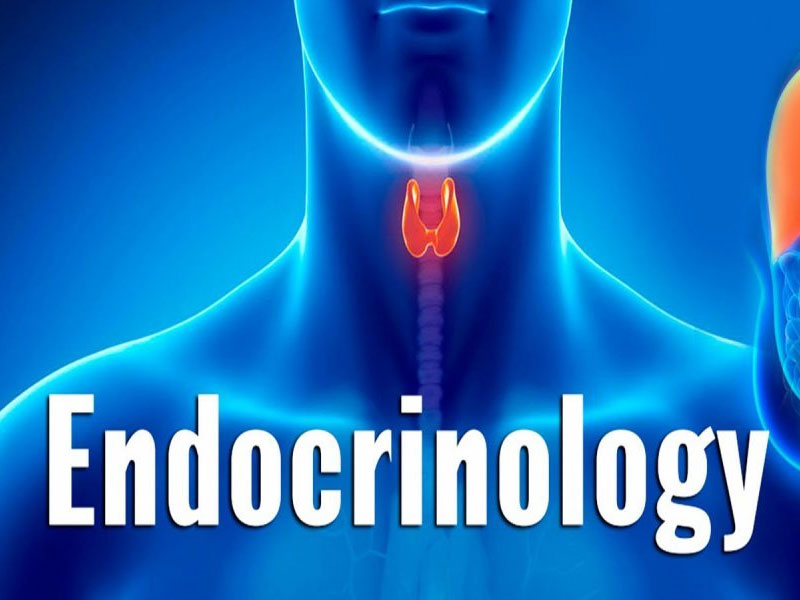
Our Endocrinology Services
Thyroid Disorders
Comprehensive thyroid function testing and assessment for hypothyroidism, hyperthyroidism, and thyroid nodules
Diabetes Management
Glucose monitoring, HbA1c testing, and comprehensive diabetes screening and risk assessment
Hormonal Balance
Assessment of pituitary, adrenal, and reproductive hormones for complete endocrine evaluation
Endocrine Disorders We Screen For
Comprehensive diagnostic services for various hormonal conditions
Diabetes Mellitus
Screening and management of Type 1 and Type 2 diabetes
- Fasting Blood Sugar
- Random Blood Sugar
- HbA1c (Glycated Hemoglobin)
- Glucose Tolerance Test
- Insulin & C-Peptide
Thyroid Disorders
Complete thyroid assessment and monitoring
- TSH (Thyroid Stimulating Hormone)
- Free T3 & T4
- Total T3 & T4
- Thyroid Antibodies (TPO, Thyroglobulin)
- Thyroid Ultrasound
Adrenal Disorders
Assessment of adrenal gland function
- Cortisol Level (24-hour urine)
- ACTH Test
- Aldosterone Level
- DHEA-S Test
- Dexamethasone Suppression Test
Pituitary Disorders
Comprehensive pituitary hormone assessment
- Growth Hormone (GH)
- IGF-1 (Insulin-like Growth Factor)
- Prolactin Level
- FSH & LH (Gonadotropins)
- Pituitary MRI
Reproductive Disorders
Assessment of reproductive hormone disorders
- Testosterone Level
- Estrogen & Progesterone
- FSH & LH Levels
- PCOS Screening
- Fertility Assessment
Metabolic Disorders
Assessment of metabolic and nutritional disorders
- Lipid Profile
- Bone Metabolism Tests
- Vitamin D & B12 Levels
- Parathyroid Hormone (PTH)
- Calcium & Phosphate
Comprehensive Hormone Testing
Advanced laboratory tests for accurate hormone assessment
TSH (Thyroid Stimulating Hormone)
Primary test for thyroid function assessment and hyperthyroidism/hypothyroidism screening
Blood TestHbA1c (Glycated Hemoglobin)
Measures average blood sugar over 2-3 months for diabetes diagnosis and monitoring
Blood TestFree T3 & T4
Measures active thyroid hormones for complete thyroid assessment
Blood TestCortisol Level
Adrenal hormone assessment for Cushing's syndrome and Addison's disease screening
Blood/Urine TestProlactin Level
Pituitary hormone test for hyperprolactinemia and related disorders
Blood TestTestosterone & Estrogen
Sex hormone assessment for reproductive health and hormonal imbalance
Blood TestVitamin D (25-OH)
Essential nutrient testing for bone health and metabolic function
Blood TestIGF-1 (Insulin-like Growth Factor)
Growth hormone assessment for acromegaly and growth hormone deficiency
Blood TestFasting Blood Sugar
Initial diabetes screening and glucose control assessment
Blood TestSigns & Symptoms of Hormonal Disorders
When to seek endocrinology consultation
Persistent Fatigue
Unexplained tiredness and lack of energy despite adequate sleep may indicate thyroid or metabolic disorders
Unexplained Weight Changes
Sudden weight gain or loss without dietary changes may suggest hormonal imbalance
Heart Palpitations
Irregular heartbeat or awareness of heart beating may indicate thyroid dysfunction
Temperature Sensitivity
Excessive sweating or always feeling cold can indicate thyroid or metabolic issues
Mood Changes
Unexplained anxiety, depression, or mood swings may relate to hormonal imbalance
Reproductive Issues
Irregular periods, infertility, or hormonal acne suggest need for endocrine evaluation
Endocrine Health Management
Tips for maintaining hormonal balance and metabolic health
Balanced Nutrition
Consume whole foods, complex carbohydrates, proteins, and healthy fats to support hormonal health and stable blood sugar
Regular Exercise
Physical activity improves insulin sensitivity, regulates hormones, and supports metabolic health
Quality Sleep
Aim for 7-9 hours of sleep daily to regulate cortisol, melatonin, and other hormones
Stay Hydrated
Proper hydration supports metabolic function and hormonal balance throughout the day
Stress Management
Practice meditation, yoga, or relaxation techniques to manage cortisol levels and hormonal stress responses
Regular Monitoring
Schedule regular hormone testing and endocrinology consultations to track hormonal health
Take Control of Your Hormonal Health
Get comprehensive endocrinology screening and expert consultation for optimal metabolic and hormonal wellness
Frequently Asked Questions
Common questions about endocrinology services
Endocrinology is the medical specialty dealing with hormones and endocrine glands. It's important because hormones regulate critical body functions including metabolism, growth, reproduction, mood, and energy levels. Hormonal imbalances can significantly impact your health and quality of life.
Hormonal disorders are diagnosed through blood tests measuring specific hormone levels, urine tests, imaging studies like ultrasound or MRI, and specialized stimulation tests. Your symptoms and medical history help determine which tests are needed for accurate diagnosis.
Some hormone tests require fasting (like glucose testing), while others don't. Additionally, certain hormone tests have specific timing requirements (morning vs. evening) due to natural hormonal fluctuations. Your doctor will provide specific instructions for your tests.
TSH (Thyroid Stimulating Hormone) is produced by the pituitary gland and signals the thyroid. Free T3 and T4 are the actual thyroid hormones. TSH is a screening test, while free T3/T4 measures active thyroid hormone levels. Together, they provide complete thyroid assessment.
Many hormonal disorders can be effectively managed or reversed with proper treatment including medication, lifestyle changes, and dietary modifications. Early detection and proper management significantly improve outcomes. Some conditions may require lifelong management while others may resolve completely.
Testing frequency depends on your condition, symptoms, and treatment. Some people need annual screening, while others may need more frequent testing. Those with diagnosed hormonal disorders may need periodic monitoring. Your endocrinologist will recommend an appropriate testing schedule.