Home Collection
Kidney Health Assessment
Expert nephrology services for renal disease and kidney disorder management
Understanding Kidney Health
The kidneys are vital organs that filter waste from blood and regulate fluid balance, blood pressure, and electrolytes. Kidney disease often develops silently without early symptoms, making timely screening essential for prevention and management.
At आविष्कार डायग्नोस्टिक्स, we provide comprehensive nephrology services with advanced kidney function testing, imaging studies, and expert consultation to identify and manage renal disorders effectively.
Our services include kidney function tests, urinalysis, renal imaging, electrolyte panels, and specialized testing for early detection of chronic kidney disease and other renal conditions.
Advanced Kidney Function Testing
Precise laboratory testing of kidney markers and renal function for accurate diagnosis of kidney diseases.
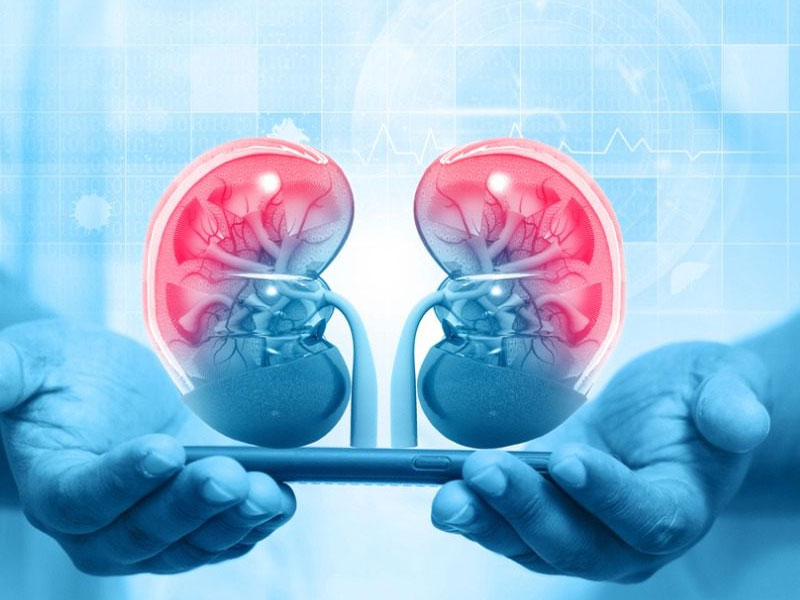
Our Nephrology Services
Kidney Function Tests
Comprehensive assessment of kidney filtration capacity and renal function evaluation
Urinalysis
Detailed urine testing for protein, blood cells, and abnormal findings indicating kidney disease
Renal Imaging
Ultrasound and imaging studies for kidney structure assessment and stone detection
Kidney Disorders We Screen For
Comprehensive diagnostic services for various renal conditions
Chronic Kidney Disease
Early detection and staging of chronic kidney disease progression
- Creatinine Level
- eGFR (Estimated Glomerular Filtration Rate)
- BUN (Blood Urea Nitrogen)
- Urinalysis for Protein
- Kidney Ultrasound
Acute Kidney Injury
Emergency assessment of sudden kidney function decline
- Rapid Creatinine Testing
- Emergency eGFR
- Electrolyte Panel
- Potassium Level
- Urgent Imaging
Kidney Stones
Detection and risk assessment for nephrolithiasis
- Calcium Level
- Uric Acid Testing
- Phosphate Level
- 24-Hour Urine Collection
- CT/Ultrasound Imaging
Glomerulonephritis
Assessment of kidney filtration unit inflammation
- Proteinuria Testing
- Hematuria Detection
- Immunology Panel
- Complement Levels
- Kidney Biopsy if needed
Diabetic Nephropathy
Screening for diabetes-related kidney damage
- Microalbumin Urine Test
- Serum Creatinine
- Blood Sugar (HbA1c)
- Lipid Profile
- Blood Pressure Monitoring
Hypertensive Nephrosclerosis
Assessment of hypertension-related kidney damage
- Blood Pressure Monitoring
- Kidney Function Tests
- Proteinuria Assessment
- Renal Artery Ultrasound
- ECG Testing
Comprehensive Kidney Function Tests
Advanced laboratory tests for accurate kidney health assessment
Serum Creatinine
Measures kidney function and ability to filter waste from blood
Blood TesteGFR (Glomerular Filtration Rate)
Estimates how well kidneys are filtering waste and other impurities
Blood TestBUN (Blood Urea Nitrogen)
Assesses kidney's ability to remove urea from the blood
Blood TestUrinalysis
Comprehensive urine testing for protein, blood, glucose, and other abnormalities
Urine TestElectrolyte Panel
Measures sodium, potassium, chloride, and bicarbonate levels
Blood TestAlbumin/Protein
Detects proteinuria indicating kidney damage or disease
Urine Test24-Hour Urine Collection
Comprehensive assessment of kidney function over extended period
Urine TestUltrasound/CT Imaging
Visual assessment of kidney size, shape, and structural abnormalities
ImagingKidney Biopsy
Tissue sample analysis for definitive diagnosis of kidney disease
BiopsySigns & Symptoms of Kidney Disease
When to seek nephrology consultation
Persistent Fatigue
Extreme tiredness due to anemia and kidney dysfunction may indicate kidney disease
Swelling (Edema)
Fluid retention in feet, ankles, hands, or face suggests kidney function problems
Change in Urination
Increased or decreased urination frequency or volume may indicate kidney issues
Headaches & Dizziness
High blood pressure from kidney disease can cause headaches and dizziness
Bone & Muscle Aches
Mineral imbalances from kidney disease can cause bone and muscle pain
Blood in Urine
Hematuria may indicate kidney stones, infection, or glomerulonephritis
Kidney Health Management
Tips for maintaining optimal kidney function and renal health
Stay Hydrated
Drink adequate water daily to support kidney function and help filter waste properly
Limit Sodium Intake
Reduce salt consumption to manage blood pressure and reduce kidney workload
Healthy Diet
Eat balanced meals with controlled protein and phosphorus for kidney health
Regular Exercise
Physical activity helps maintain healthy weight and blood pressure for kidney protection
Blood Pressure Control
Monitor and manage blood pressure as it directly affects kidney health
Regular Checkups
Schedule routine kidney function tests, especially if at risk for kidney disease
Protect Your Kidney Health
Get comprehensive kidney screening and expert consultation for optimal renal health and disease prevention
Frequently Asked Questions
Common questions about nephrology services
Acute kidney injury develops rapidly over days to weeks and may be reversible with proper treatment. Chronic kidney disease develops gradually over months or years and is often irreversible but manageable. Both require medical evaluation and appropriate management.
While not all kidney diseases can be prevented, you can reduce your risk by controlling blood pressure and blood sugar, maintaining healthy weight, eating a balanced diet, limiting salt and alcohol, not smoking, and staying hydrated. Regular health screenings are also important.
eGFR stands for Estimated Glomerular Filtration Rate. It measures how well your kidneys filter waste measured in mL/min/1.73m². A normal eGFR is above 60. Lower values indicate reduced kidney function and stages of chronic kidney disease.
Proteinuria (protein in urine) indicates that the kidney filtration system is damaged. It can be a sign of kidney disease and may lead to further kidney damage if not properly managed. Early detection allows for better treatment outcomes.
High blood pressure can damage kidneys over time. You should monitor your blood pressure regularly, limit salt intake, maintain healthy weight, exercise regularly, reduce stress, and take prescribed medications. Regular kidney function monitoring is also important.
Everyone should have baseline kidney function testing. Regular screening is especially important for those with diabetes, high blood pressure, family history of kidney disease, age over 60, or those taking medications that affect kidneys. Consult your doctor about screening frequency.